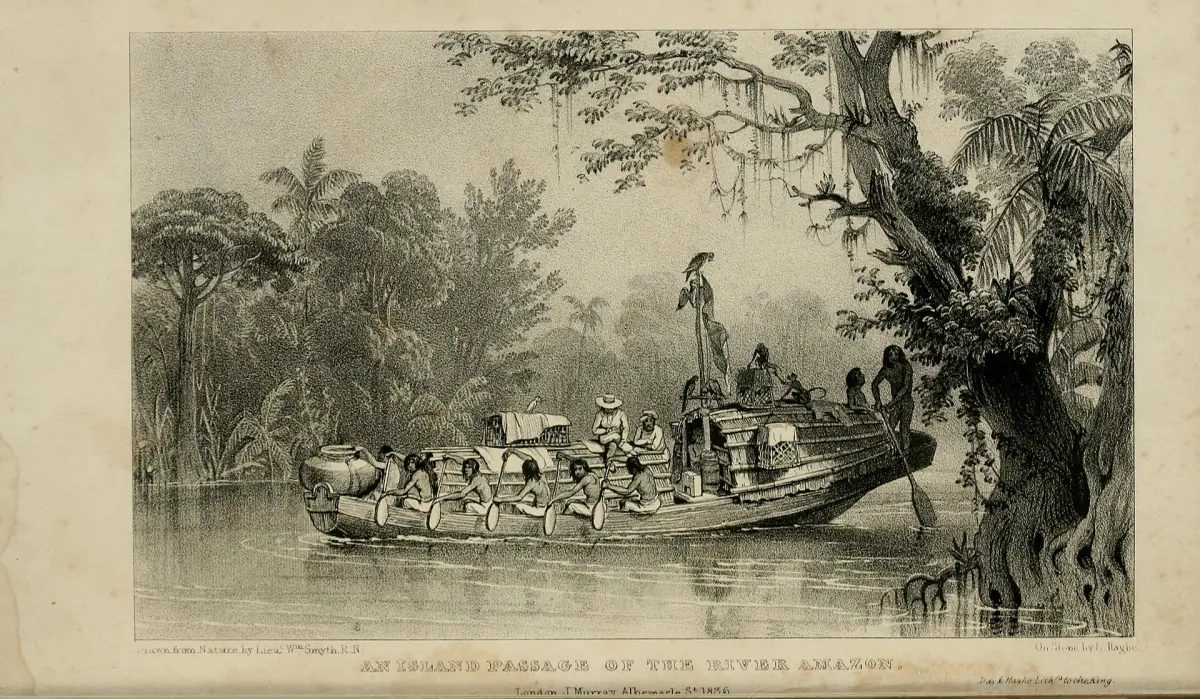
Amazon River history in short
People lived along the Amazon long before Europeans arrived. The written record of the river begins with European expeditions, and those accounts show the view of the people who wrote them. They are not neutral lists of the societies on the banks. Keep that in mind when you read about "discovery".
A good way to see some of this history today is in Manaus, the city of the rubber boom. If you want to combine history with the river itself, look at Amazon river cruises from Manaus and Iquitos.
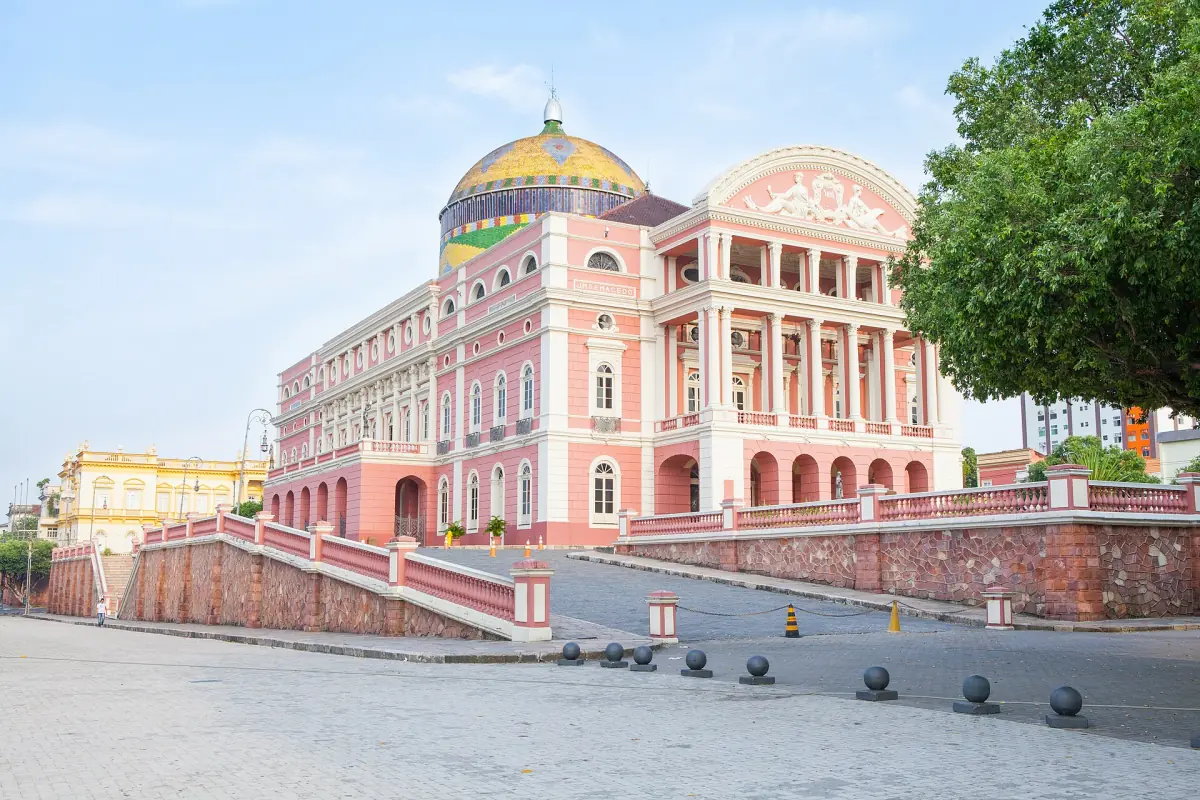
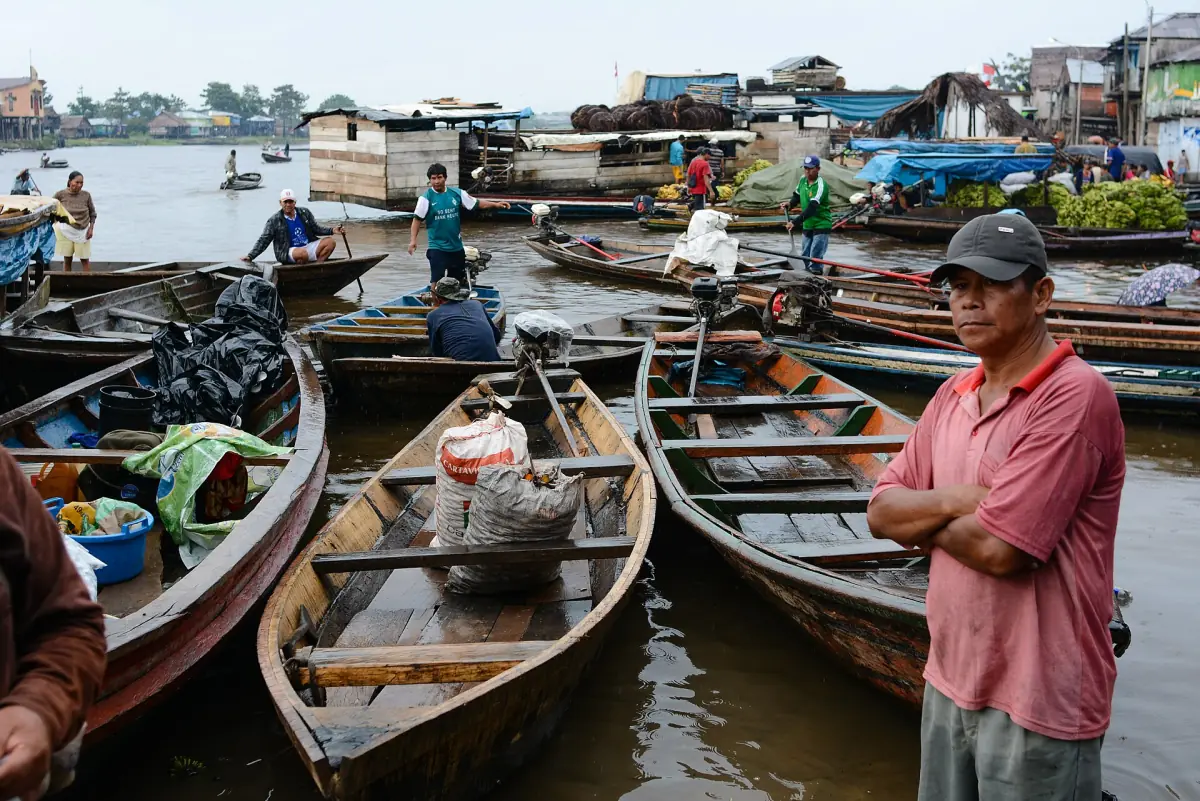
Our pick: the river city of Iquitos
A private walk through Belén market and a boat ride past the floating houses of Iquitos.
Hand-picked tours, booked through GetYourGuide. Prices are indicative starting prices in US dollars (as of October 2026). Tap a tour for live availability and the current price in your currency.
Amazon River tours and cruises
Boat trips, lodge stays and cruises from Manaus, Iquitos and Leticia, with live prices and availability.
Francisco de Orellana and the first European journey
An expedition, not the discovery of an empty river.
A group under Francisco de Orellana left in December 1541 and travelled down the river. It reached the delta during 1542. Describe it as a European expedition. The river was not empty, and it had people on its banks. Records of those contacts describe trade, the taking of food, kidnappings and violence, and they are written from one side.
Where does the name Amazon come from?
The exact origin of the name is unsettled. A well-known explanation involves warrior women, but it is not established as historical fact. Use it as a story and not as a report.
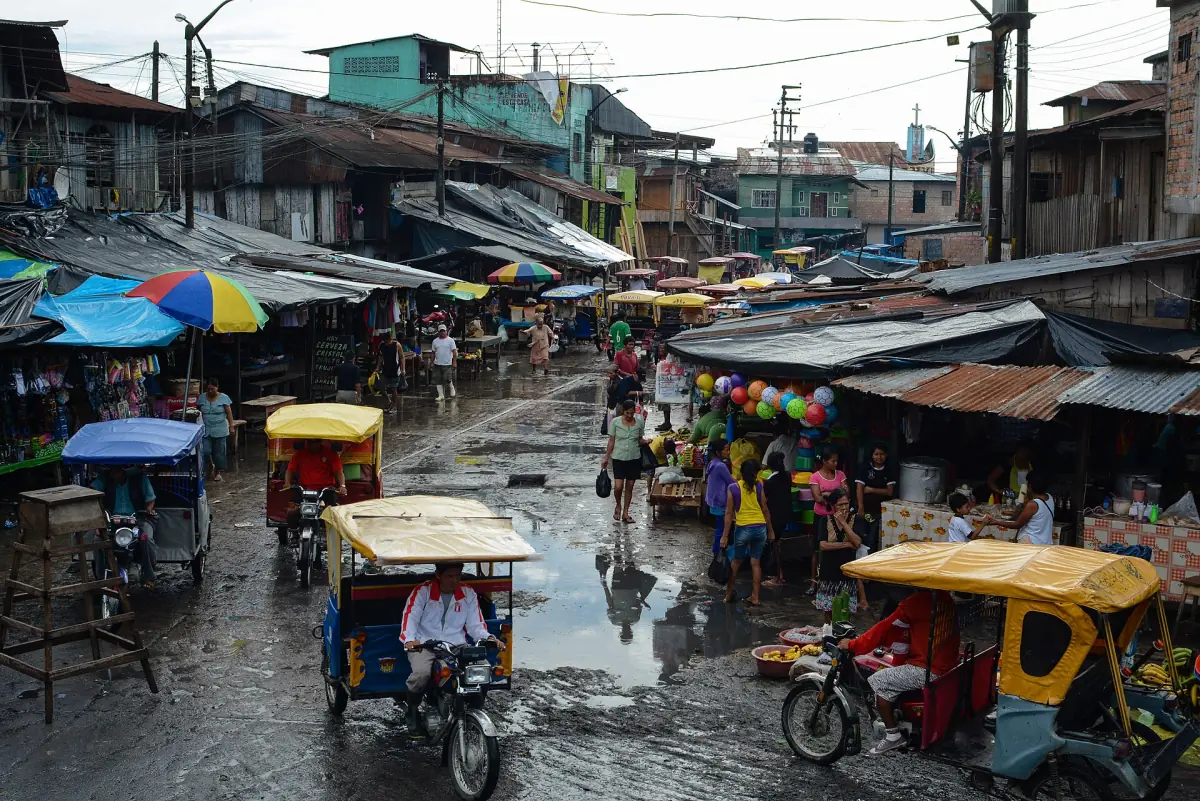
The rubber boom and the Teatro Amazonas
Manaus in the Ciclo da Borracha.
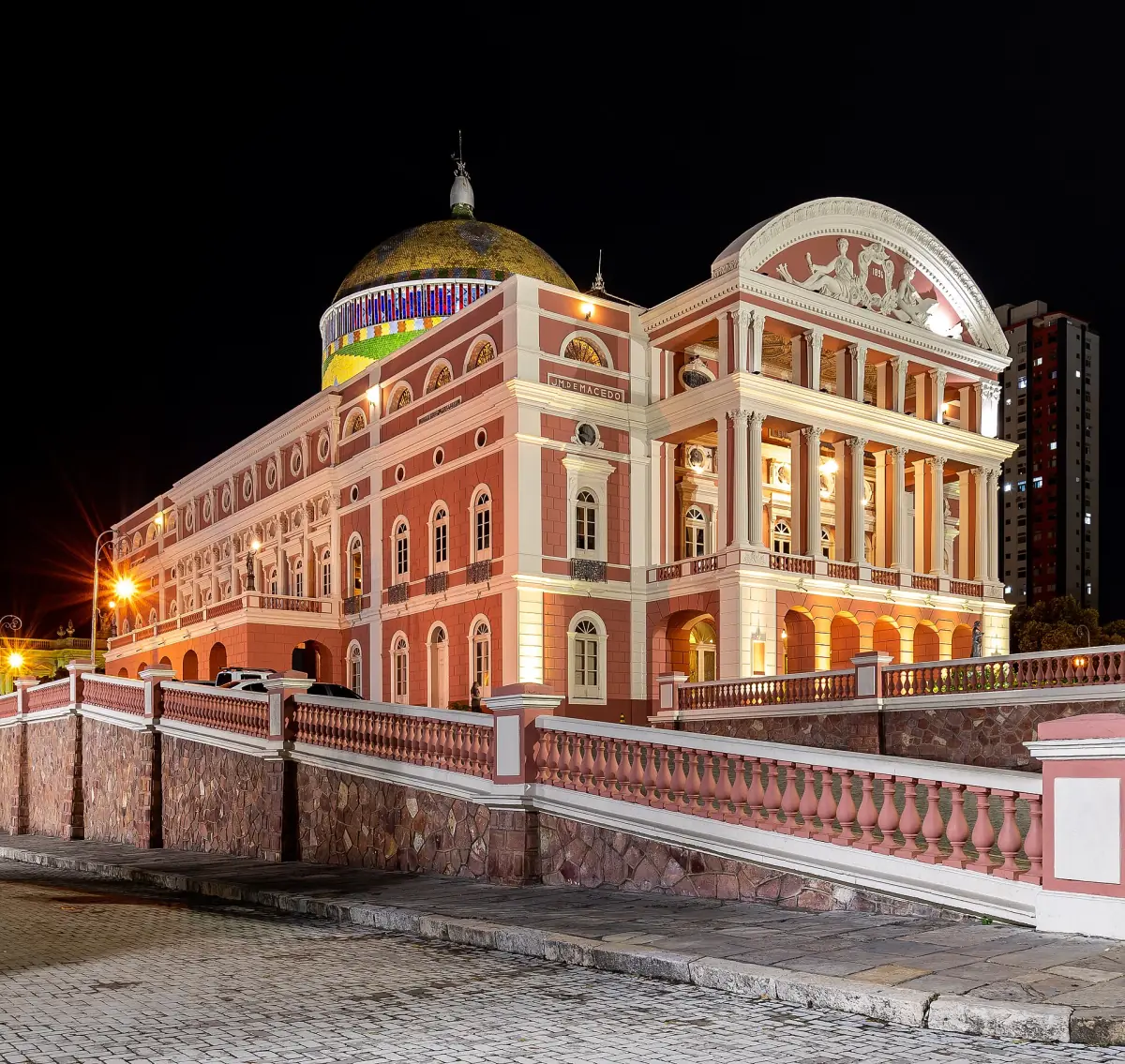
The rubber boom, called the Ciclo da Borracha in Brazil, is tied to Manaus. The Teatro Amazonas opened on 31 December 1896, and the building stands for that wealthy era. You can see it on a guided visit of about 30 minutes. Guided visits run Tuesday to Saturday from 9 a.m. to 5 p.m. and Sunday from 9 a.m. to 1 p.m., with tickets at BRL 20 or BRL 10 reduced, and locals with proof of residence free. Monday is not a visiting day. Check hours and prices before you go. More in the Manaus guide.
Fordlândia on the Tapajós
A rubber project in the 1920s.
Land on the Tapajós, in the state of Pará, was acquired in 1927, and work crews were there in 1928. The project was meant to supply rubber. The Tapajós is a tributary, so Fordlândia does not lie on the main river. Reading about it helps you see how the rubber economy shaped the Amazon, and why Manaus and the river ports matter.
Indigenous peoples along the river today
Living societies, not a sight.
The Amazon is home to indigenous peoples today. The Colombian region around Leticia is home to, among others, Ticuna, Huitoto and Yucuna communities. Do not carry those names over to every community in Peru or Brazil, since the peoples differ along the river. We do not list village visits as an attraction. Join a visit only when a community has agreed to it and when it is organised with them. For the Colombian side, see the Leticia guide.
Amazon River history: frequently asked questions
Who first travelled down the Amazon River?
A European expedition under Francisco de Orellana left in December 1541 and reached the delta during 1542. People already lived along the river, so this is a European expedition story and not a discovery of an empty river.
What was the rubber boom in Manaus?
It was a wealthy era known in Brazil as the Ciclo da Borracha. The Teatro Amazonas, opened on 31 December 1896, stands as a symbol of it.
What was Fordlândia?
A rubber project on the Tapajós in Pará. Land was acquired in 1927 and work crews started in 1928. It does not lie on the main river.
Why is it called the Amazon?
The origin of the name is unsettled. A well-known explanation involves warrior women, but it is not established as historical fact.
Can I visit indigenous communities on the river?
Only when a community has agreed and the visit is organised with it. Names such as Ticuna, Huitoto and Yucuna refer to the Colombian region and do not apply to every community along the river.
Is this an official Amazon River site?
No. This is an independent travel guide, not connected to any authority, museum or tour operator.