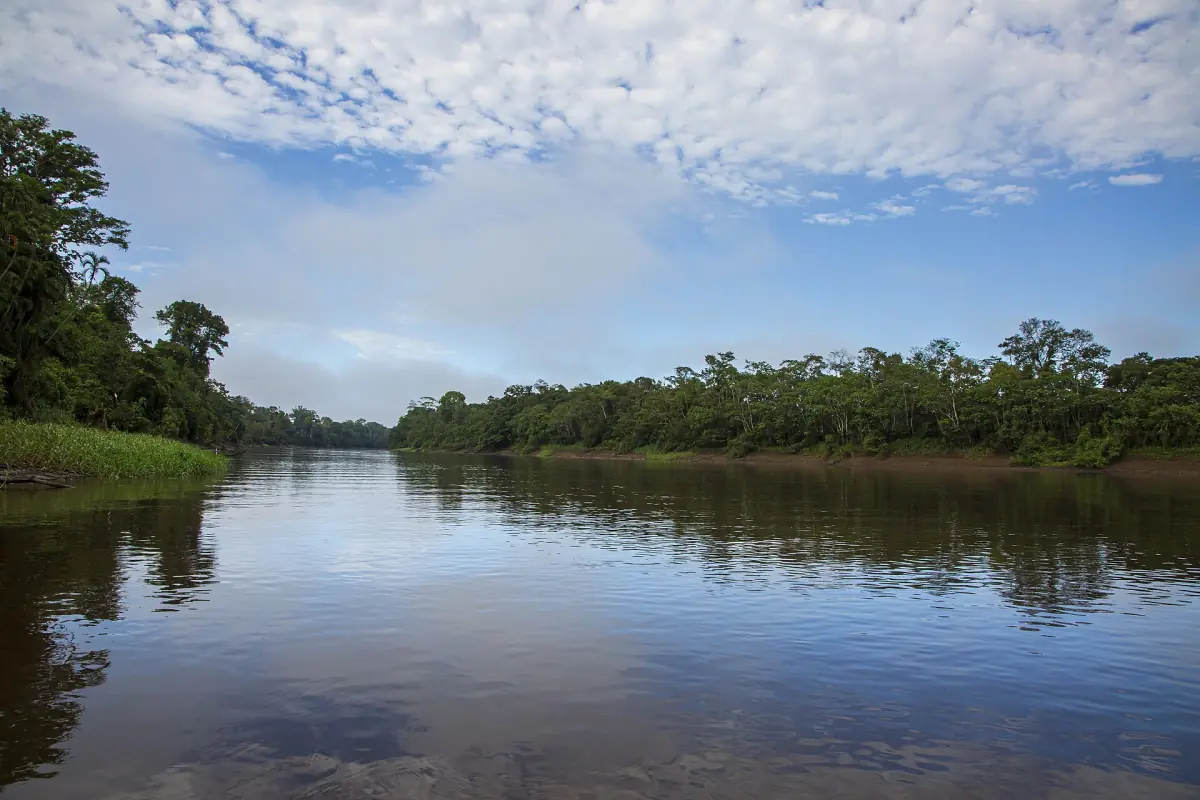
Pacaya-Samiria at a glance
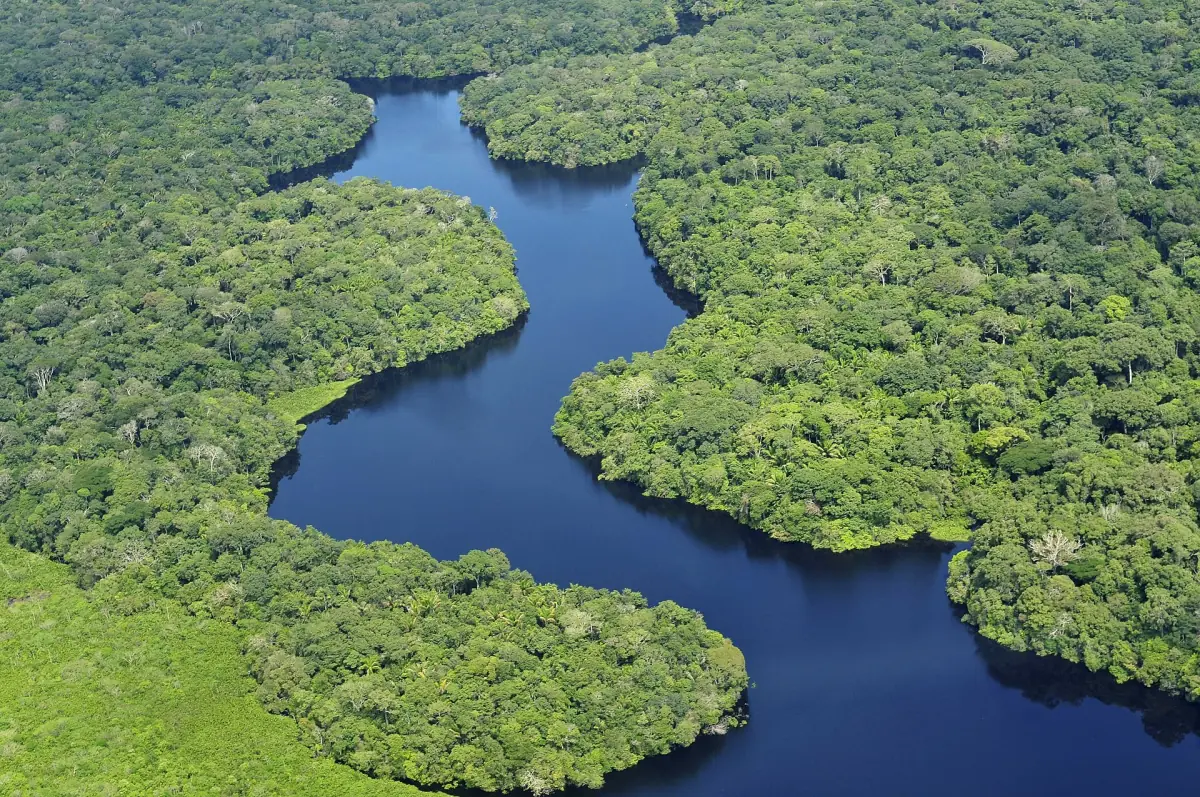
Pacaya-Samiria is a national reserve (Reserva Nacional), not a national park. It covers about 2,080,000 hectares in the Peruvian department of Loreto. Visitors reach it with an authorized tour operator, and the touristic sectors are Yanayacu Pucate, Cuenca Samiria and Pacaya. Independent walking trips are not an alternative.
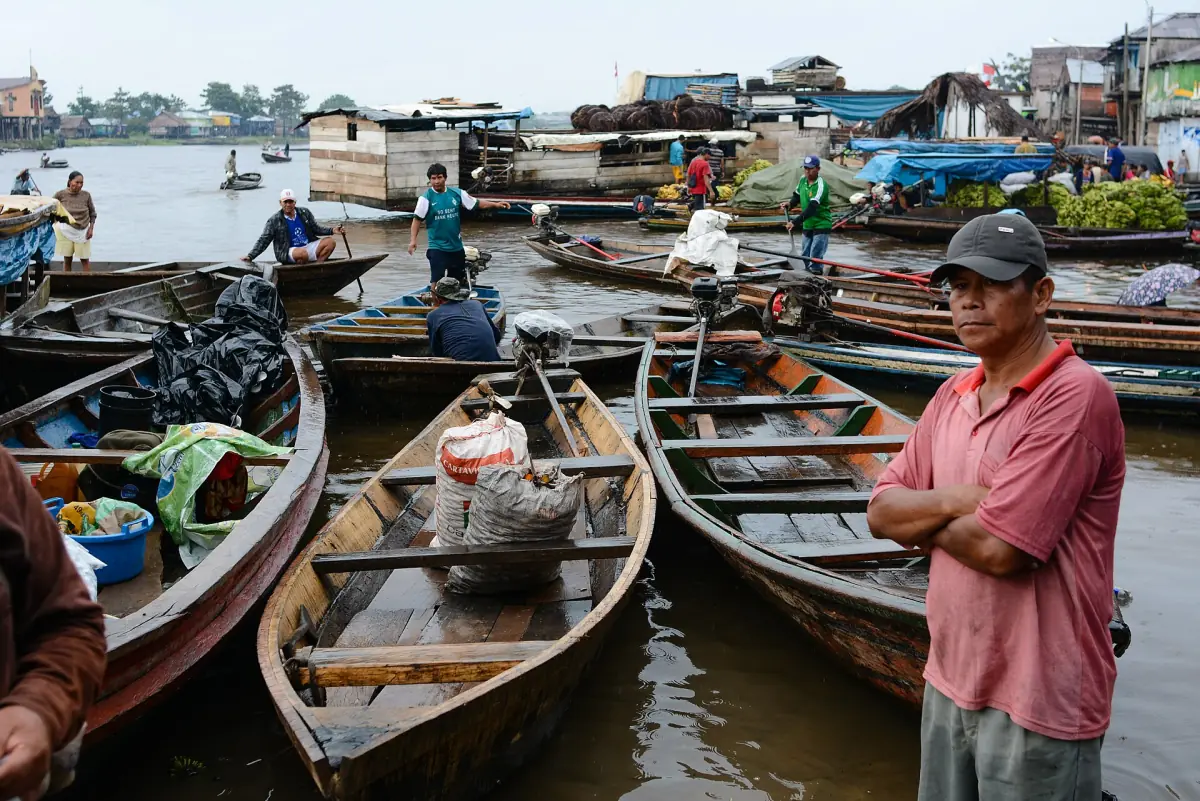
Most trips start in Iquitos and board in Nauta. You can join a lodge stay or a boat programme through our Amazon River tours page, or compare the multi-day boats under Amazon river cruises. The reserve fee and the operator's price are two separate items, which is why the fee section below matters.
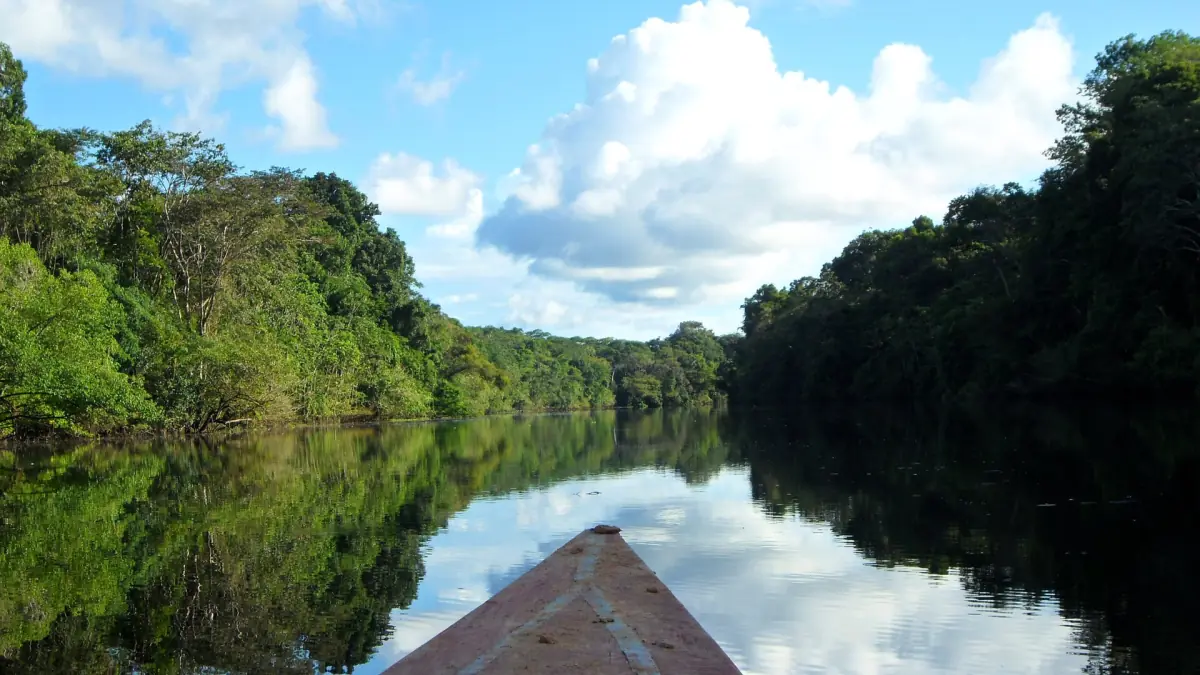
Our picks: into Pacaya Samiria
The expedition includes the reserve entry fee and nights in the reserve. The day trip is long and the entry fee should be checked before booking.
Hand-picked tours, booked through GetYourGuide. Prices are indicative starting prices in US dollars (as of October 2026). Tap a tour for live availability and the current price in your currency.
Pacaya Samiria expedition with reserve entry
- Reserve entry fee
- Motorboat and canoe
- Meals and camping gear
Three days by motorboat and canoe with the reserve entry fee, a stay at a shelter in the reserve, meals and camping gear.
Check availability →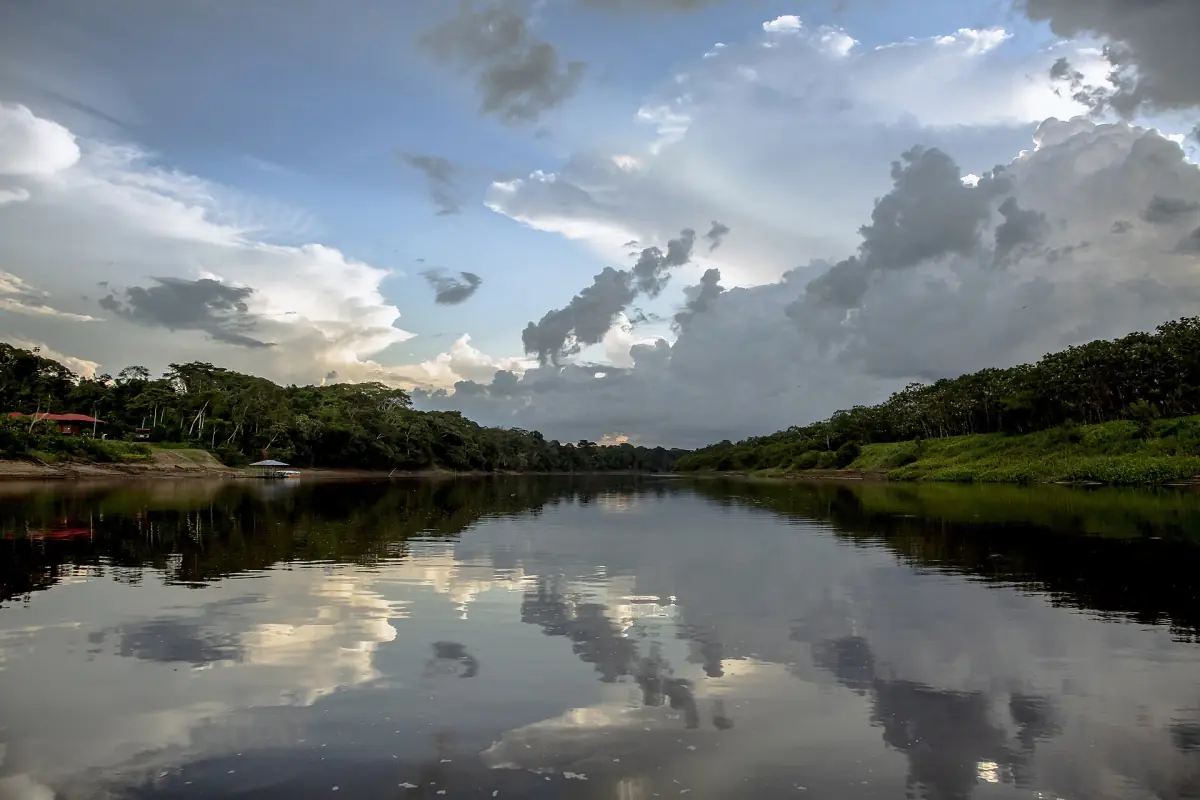
Pacaya Samiria in one long day
- Transport from Iquitos
- Guided jungle walk
- Traditional lunch
Eleven hours with transport from Iquitos, a guided jungle walk, piranha fishing gear and lunch. Ask whether the reserve entry fee is included before you book.
Check availability →Pacaya-Samiria tours and river trips
Lodge stays, boat programmes and cruises from Iquitos and Nauta into the reserve, with live prices and availability.
Entrance fees for Pacaya-Samiria
How the reserve fee works in 2026.
The reserve charges an entrance fee that is separate from what your operator charges for transport, guides and food. The fee is tiered by length of stay: 1 day, 2 to 3 days and 4 to 30 days. Amounts can change from year to year.
A lodge or cruise package does not automatically include a separately payable entrance fee. Before you book, ask the operator in writing whether the reserve fee is included, which tier applies to your stay and what the current amount is.
Seasons and water levels
The rainy months from October to April flood large parts of the forest. Flooding changes which channels boats can use, and it does not mean every side route is passable. The water level on the Marañón and Ucayali rivers decides what your operator can offer, so ask which routes run on your dates.
Rain falls all year in this part of Peru, and Iquitos records between about 180 and 350 mm in a month. Pack for wet weather in any month. The best time to visit page explains high and low water along the whole river.
Animals in the reserve
Species that live here. A species living here is not a sighting promise.
Manatee, pink dolphin and otter
The Amazonian manatee, the pink river dolphin and the river otter are all part of the reserve's wildlife. Watch them from the boat and keep your distance. See pink river dolphins for the species and their status.
Caimans
Both black caimans and the smaller light-coloured caimans live here. Night boat trips search the banks with lamps. Touching or handling a caiman is not part of a responsible tour.
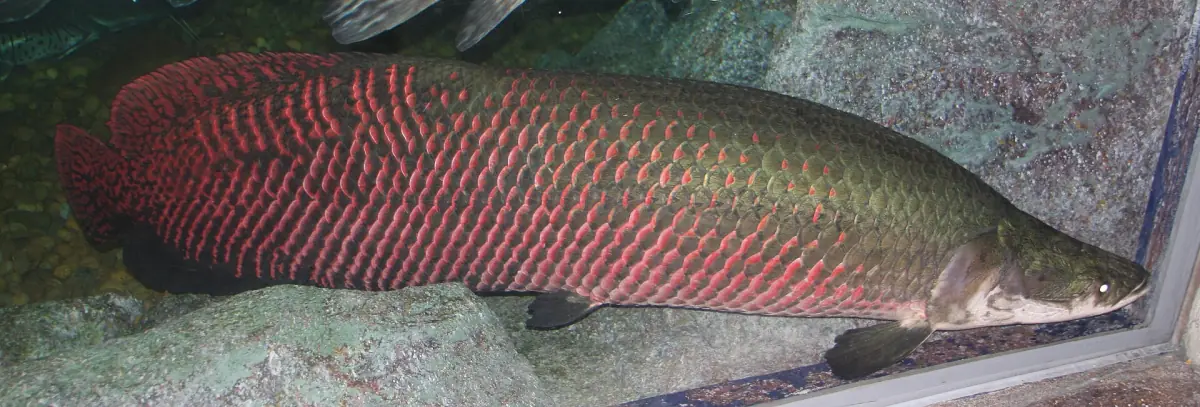
Paiche (arapaima)
The paiche is one of the largest freshwater fish. It is a wild animal and not an animal to touch for a photo.
Birds
Herons and cormorants live along the water in the reserve.
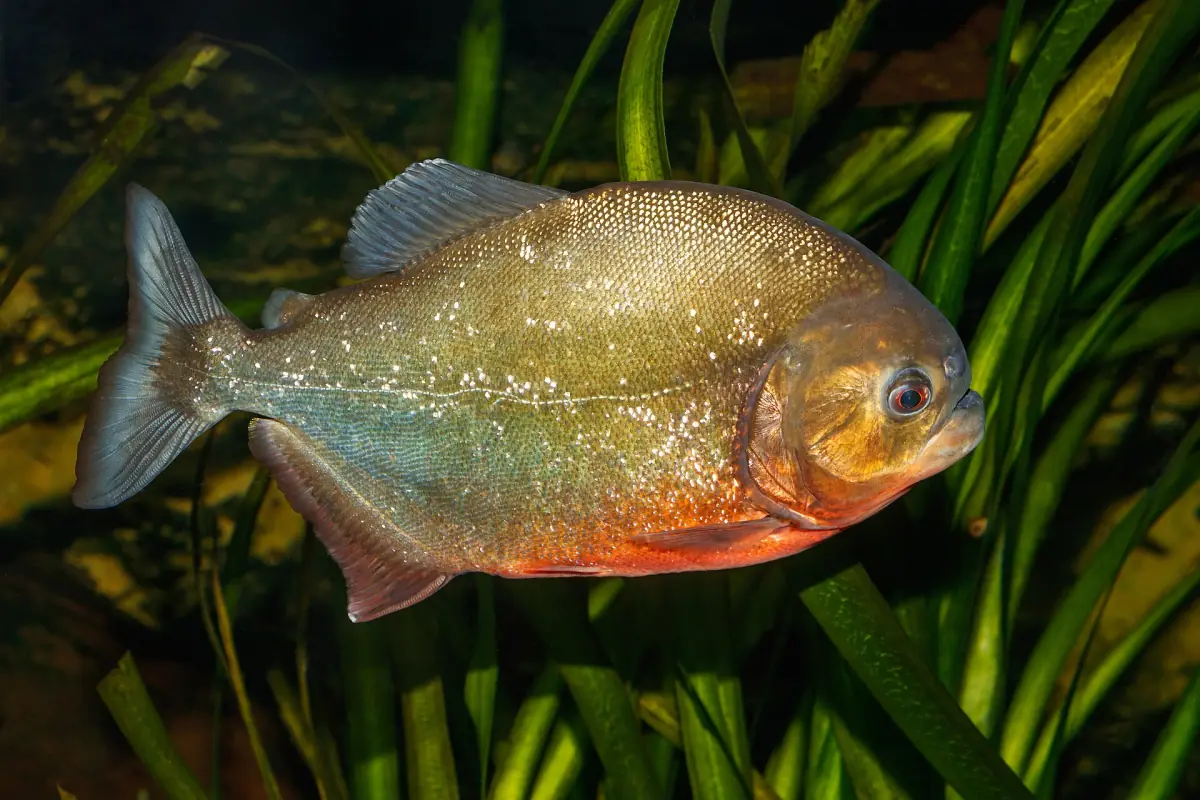
Recreational and traditional piranha fishing is part of the offer through authorized providers. It does not mean anglers can fish freely in the reserve. Read the piranha fishing guide before you plan it.
Cruises and lodges: what is inside the reserve
Not every Amazon lodge is in the reserve.
Cruises
A luxury-class boat on the Peruvian Amazon and Pacaya-Samiria costs $3,860 to $4,020 per person for 3 nights in the regular 2026 rate, and $4,230 to $4,390 in holiday periods. Expedition-style boats on the Peruvian rivers cost $1,947 to $2,194 for 3 nights. These are examples of two boat classes, not a market range.
Cruises compared →Lodges inside and outside
Some lodges sit inside the reserve, others in the buffer zone around it. A forest location alone does not say which one you get, so ask where the lodge is and which entrance fee applies.
Where to stay →Transfers
Plan the flight to Iquitos, the transfer to Nauta and the boat as separate steps. The Iquitos page has the details. For a comparison of jungle lodges across Peru, see the jungle lodge guide.
Health and practical notes
Based on German travel advice as of October 2026.
Direct entry from Germany needs no compulsory vaccination, and yellow fever vaccination is recommended for Loreto. The malaria risk is medium in the centre of Iquitos and on large cruise ships, and high in the villages and on the tributaries around it. In high-risk areas, medication on top of mosquito protection can make sense, so talk to a travel doctor early. Dengue also occurs, so protect yourself by day and by night.
Plan the rest of your trip
More from the Amazon River.
Pacaya-Samiria: frequently asked questions
Can I visit Pacaya-Samiria on my own?
No. Access is with an authorized tour operator. Lodge and boat programmes are the normal way in.
How much is the entrance fee?
The fee is tiered for 1 day, 2 to 3 days and 4 to 30 days. Ask your operator for the current amount and whether it is included in your package.
When is the best time to go?
The forest floods in the rainy months from October to April, which changes the routes that boats can use. Rain falls all year, so there is no month without it. Ask which routes run on your dates.
Where do the cruises start?
Peruvian programmes use a transfer from Iquitos to Nauta, where you board.
Which animals can I expect to see?
Manatees, pink dolphins, river otters, caimans, paiche, herons and cormorants live in the reserve. No operator can promise a sighting.
Is this the official website of the reserve?
No. This is an independent travel guide to the Amazon River. It is not run by the reserve administration, a tourism board or a tour operator.