
How the Meeting of the Waters works
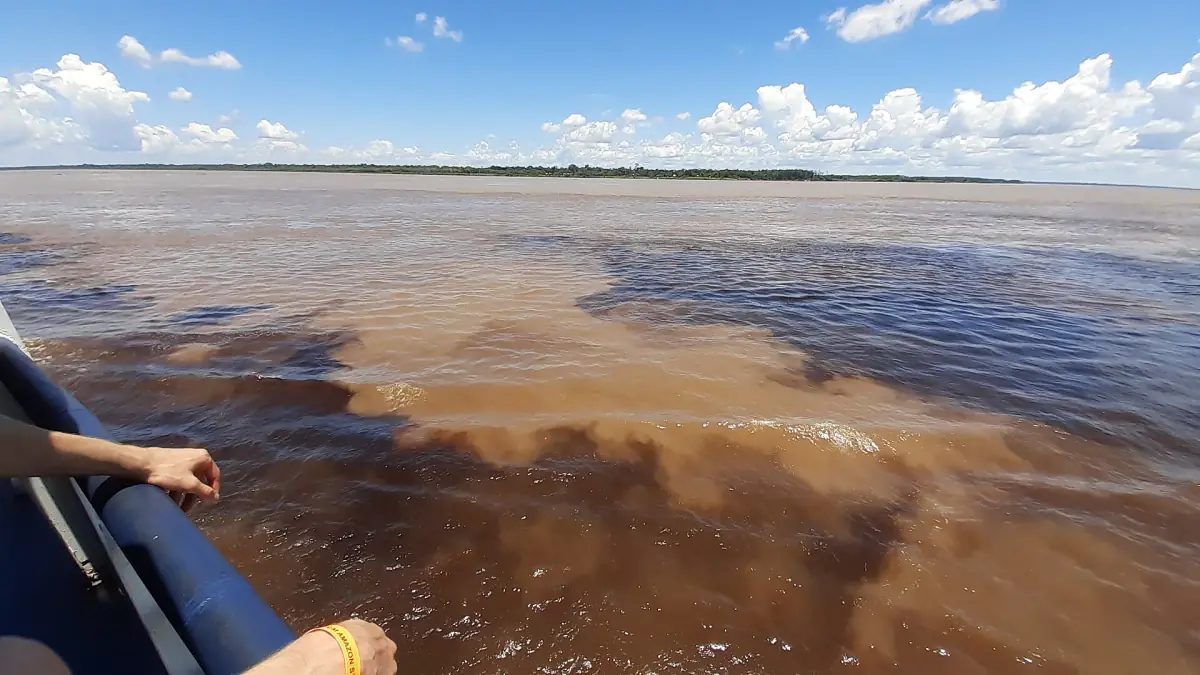
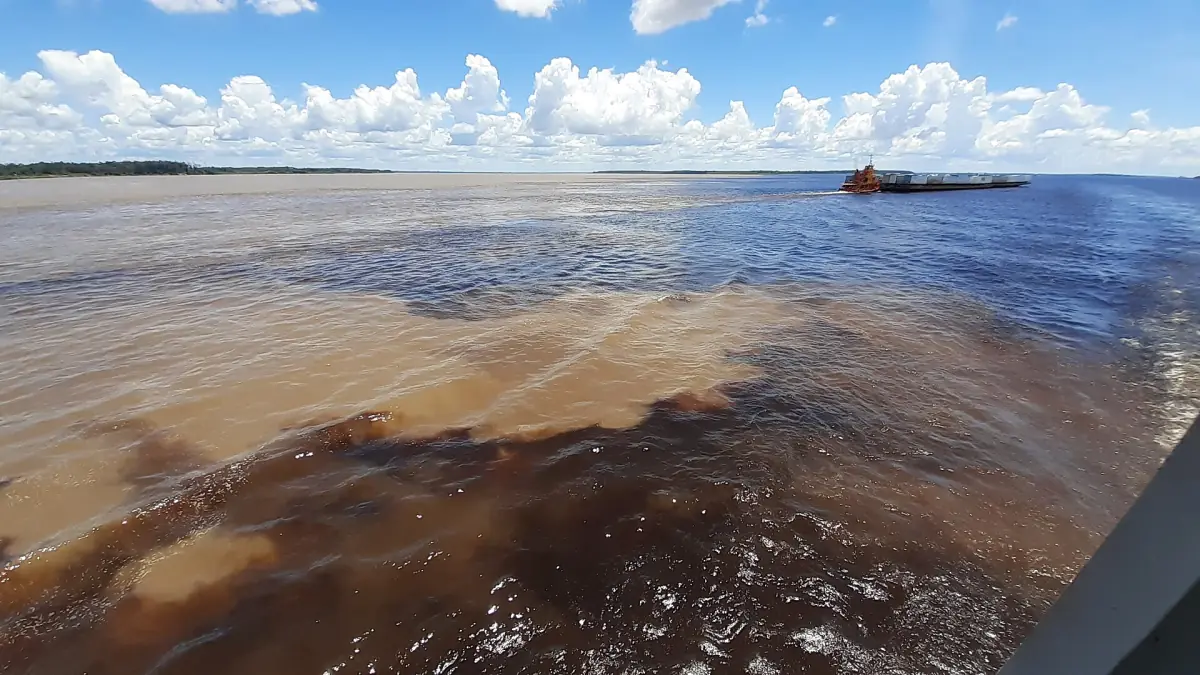
The Meeting of the Waters, called Encontro das Águas in Brazil, lies east of Manaus. There the Rio Negro and the Rio Solimões come together. The Rio Negro is dark, with organically colored water. The Solimões carries sediment-rich water from the direction of the Andes and looks sandy. For a stretch the two streams run next to each other with a visible line between them, and then swirls blend them. After the junction, both rivers continue as the lower Amazon.
The line is the reason people come, and boat tours from Manaus take you across it. What you see depends on the day, so treat the figures below as approximate values and not as daily constants.
Our picks: trips past the Meeting of the Waters
The full day from Manaus is the simple way to see the line of dark and light water. With more time, the overnight trip adds a night ashore; the city and river combo adds a guided walk in old Manaus.
Hand-picked tours, booked through GetYourGuide. Prices are indicative starting prices in US dollars (as of October 2026). Tap a tour for live availability and the current price in your currency.
Two days on the river with one night ashore
- All transport and entry fees
- Meals with a drink
- English-speaking guide
A simple guest room with a bed and mosquito net for one night, with the Meeting of the Waters and piranha fishing on the programme.
Check availability →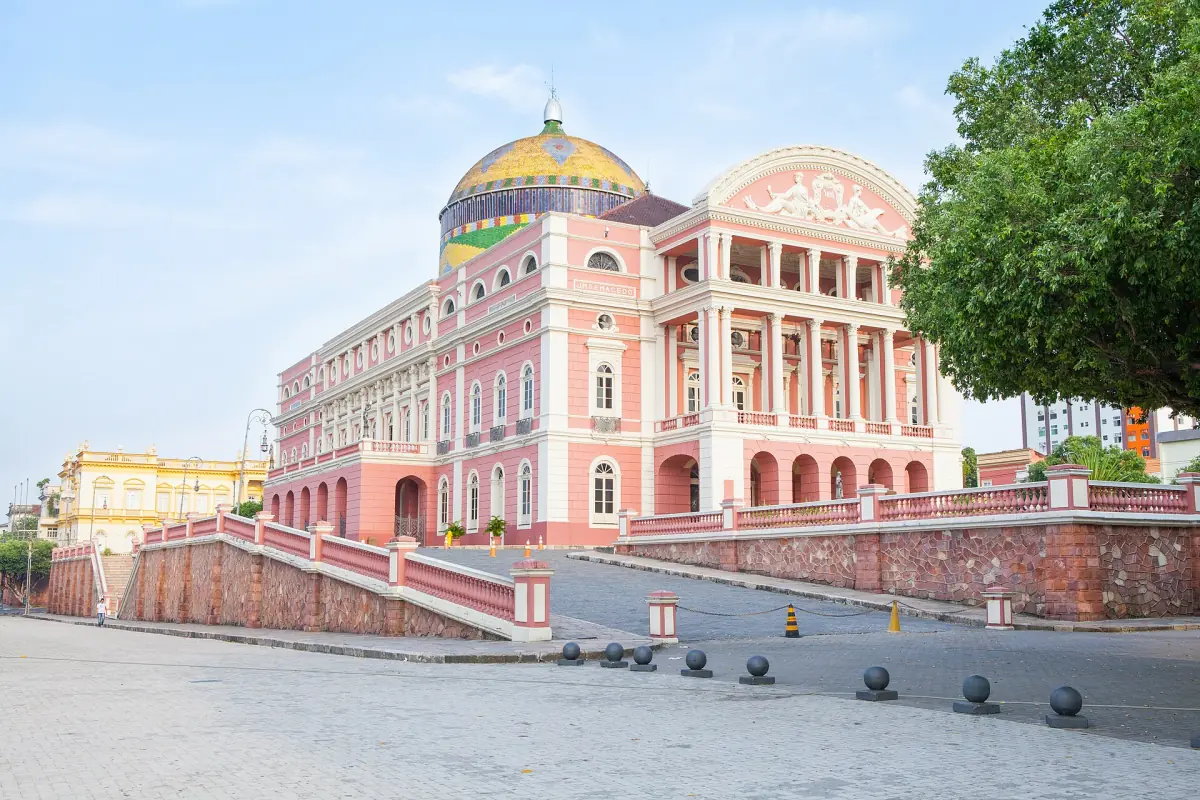
Old Manaus on foot and the river by speedboat
- Licensed English-speaking guide
- Speedboat and car
- Entry fees
Nine hours with a licensed guide in the old city, then a speedboat trip on the river, with entry fees and insurance.
Check availability →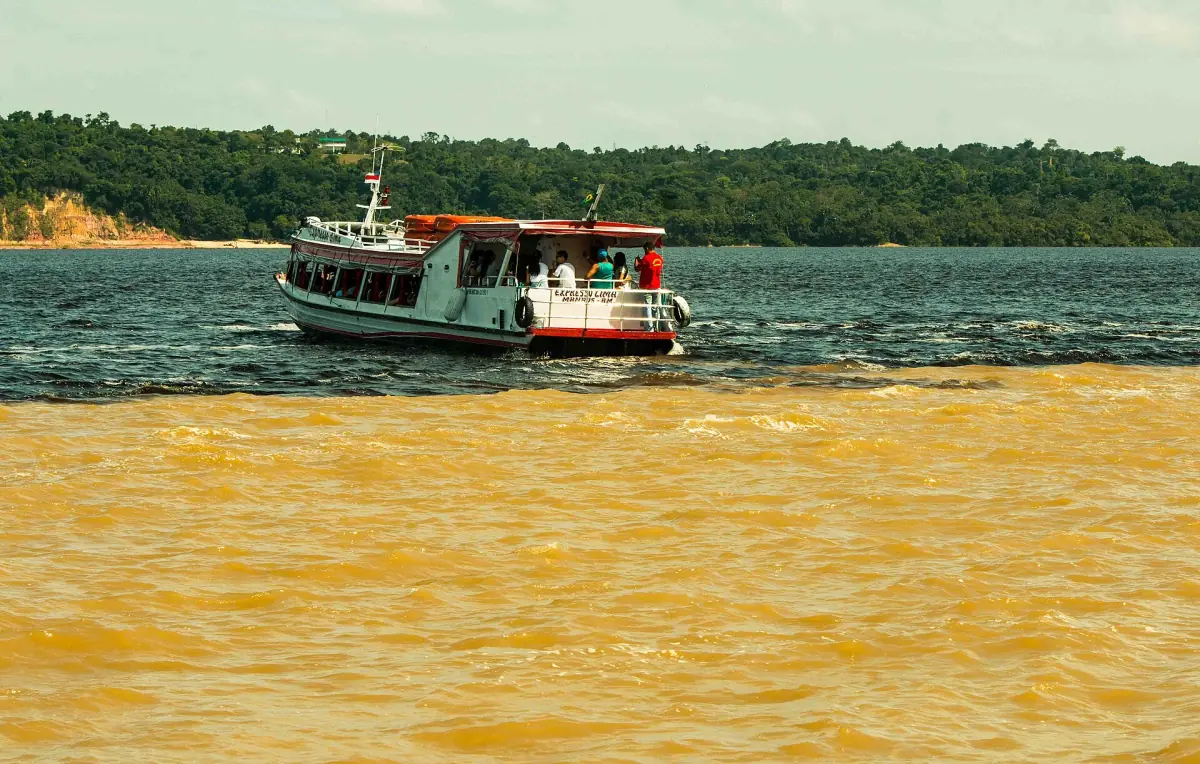
Full day on the Amazon from Manaus
- Hotel pickup and return
- Lunch, fruit and water
- English-speaking guide
A day on the river with the Meeting of the Waters on the programme, lunch and hotel transfers in Manaus.
Check availability →Meeting of the Waters boat tours from Manaus
Boat tours and river trips from Manaus that cross the Meeting of the Waters, with live prices and availability.
Why the two rivers look different
Color, temperature and speed.
Dark water
The Rio Negro is dark with organic material. It is the warmer of the two, at about 28 °C.
Sandy water
The Solimões carries sediment and flows from the direction of the Andes. It is cooler at about 22 °C, denser and faster.
Side by side, then mixed
The difference in temperature, density and speed helps keep the waters apart for a distance. Swirls blend them further downstream, so the two do mix.
The name Solimões is the local name for the pale river at the junction. Below the junction, both rivers form the lower Amazon. Read how the river runs on the map page.
Meeting of the Waters tours from Manaus
What a visit looks like.
Boat tours from Manaus cross the line and let you look at both waters from the deck. A Manaus route combines the meeting with the Janauary area and a view of the harbor and the market on the way back. That is a multi-day program, not a fixed length for all day trips, so ask the provider how long the boat time is, what the price covers and where the trip starts. Entry rules, visiting times and 2026 prices differ by provider, and the cards above show current offers.
Planning a visit
A few practical points.
Combine it with other stops
The meeting is often one stop on a longer boat program with forest walks, bird watching or piranha fishing. See the tours page.
Stay in Manaus
The city has the opera house and the port, and it is the base for the trip. See the Manaus page and, for jungle trips from the city, the Manaus jungle guide.
Watch the season
Water levels change through the year. Read the best time page before you fix your dates.
Look for wildlife
Pink river dolphins live in the Anavilhanas area near Manaus, but a sighting at the meeting is not promised. See river dolphins.
Meeting of the Waters at a glance
Approximate values for the junction near Manaus.
| Feature | Rio Negro | Solimões |
|---|---|---|
| Color | Dark, organic | Sandy, sediment-rich |
| Temperature (approximate) | About 28 °C | About 22 °C |
| Character | Warmer | Cooler, denser, faster |
For most visitors, one boat trip from Manaus is enough to see the line, and a longer program makes sense if you also want the forest and the wildlife.
Three common mix-ups
What to keep straight before you go.
"They never mix"
This is wrong. The waters run side by side for a stretch, and swirls blend them further downstream.
"Exactly 6 km, every day"
The length and the temperatures are approximate values that change with the day and the season. Treat them as a guide to what you may see.
"The Amazon starts here"
The pale river at the junction is known locally as the Solimões, and after the meeting both rivers form the lower Amazon. The river itself starts in the Peruvian Andes.
River facts →On a clear day, the color contrast is the thing to look for. The photos on this page show how the line can look from the boat and from the air.
Meeting of the Waters: frequently asked questions
Where is the Meeting of the Waters?
East of Manaus in Brazil, where the Rio Negro and the Solimões join. The Brazilian name is Encontro das Águas.
Do the two rivers really never mix?
They do mix. They run side by side for a stretch because of differences in temperature, density and speed, and swirls blend them further on.
How long is the line of two colors?
About 6 km as an approximate value. The exact stretch changes with the day and is not a fixed constant.
How do I see it?
On a boat tour from Manaus. Tours differ in length, price and stops, so compare the cards on this page and ask what the price covers.
Is amazon-river.org the official site for the Meeting of the Waters?
No. This is an independent travel guide with no link to any park administration, tourism authority or tour operator.