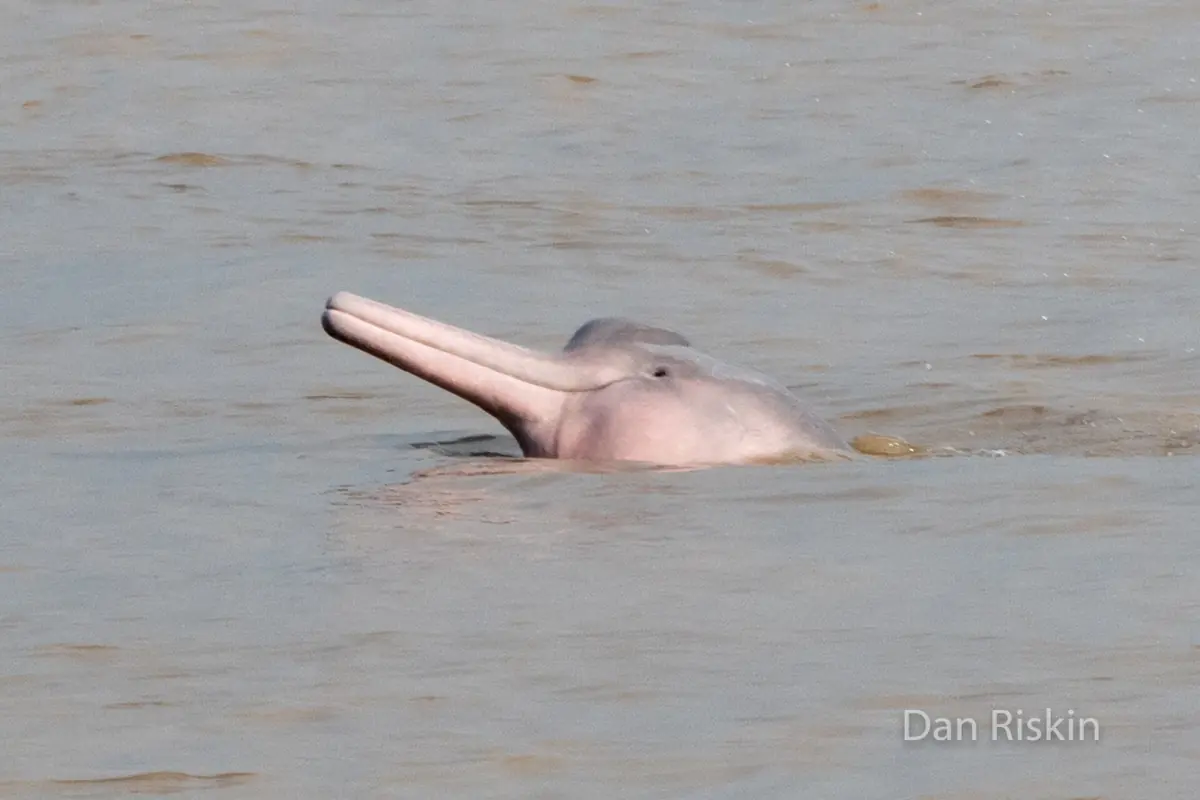
The Amazon river dolphin and the tucuxi
The pink river dolphin has two names that you will see: boto and Amazon river dolphin. Its scientific name is Inia geoffrensis. The second river dolphin of the region is the tucuxi, Sotalia fluviatilis, which is a different species from the marine Sotalia guianensis. Both river species are listed as endangered by the IUCN cetacean specialists. The total population is not known.
This page is about watching them from a boat. A place where dolphins live is not a promise of a sighting, and a sighting is not permission to feed them, touch them or swim with them.
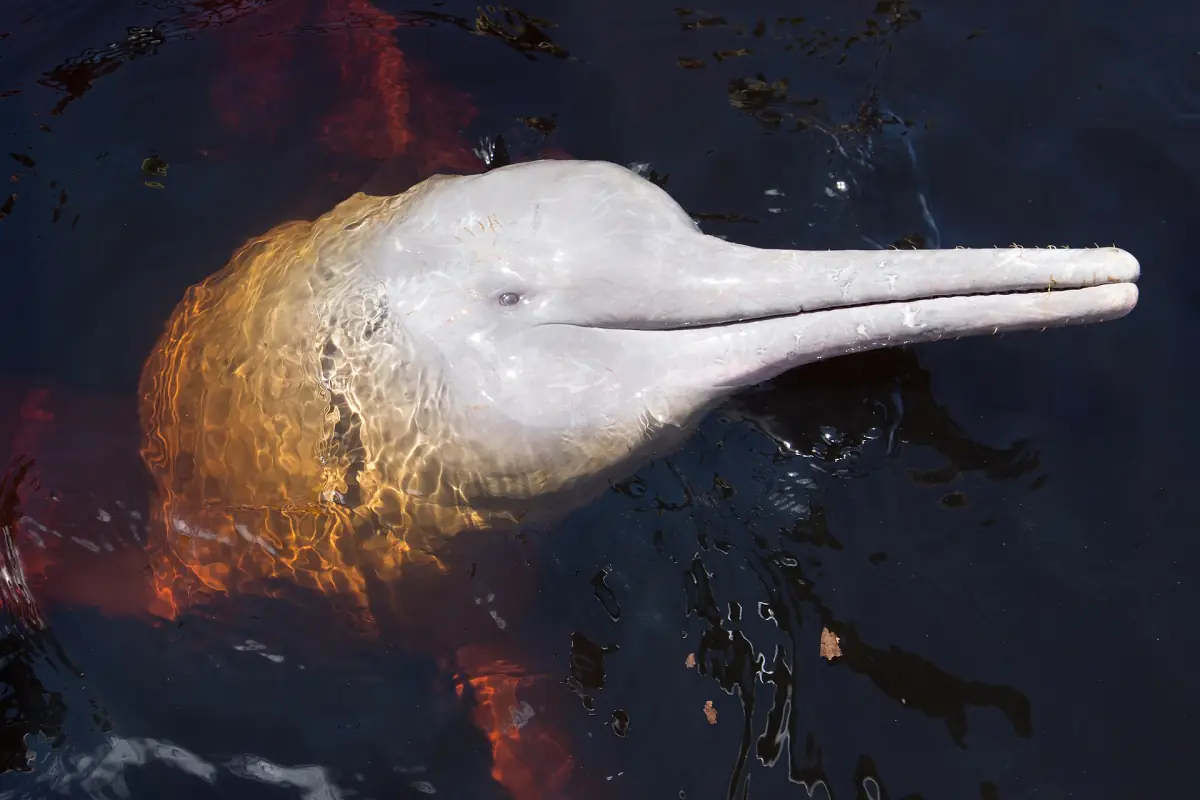
Our pick: watching dolphins from the boat
This private boat from Iquitos looks for dolphins from the boat, with no feeding or contact.
Hand-picked tours, booked through GetYourGuide. Prices are indicative starting prices in US dollars (as of October 2026). Tap a tour for live availability and the current price in your currency.
Amazon river dolphin and wildlife trips
Boat trips from Manaus, Iquitos and Leticia where river dolphins and other wildlife can be seen, with live prices and availability.
Where to see pink river dolphins
Places where they are known to live.
| Place | Country | What is known |
|---|---|---|
| Anavilhanas archipelago | Brazil, near Manaus | The boto, the giant otter and the Amazon manatee live in the national park |
| Puerto Nariño area | Colombia, near Leticia | Pink dolphins live here |
| Pacaya-Samiria reserve | Peru | The pink dolphin is among the animals of the reserve |
These are places of occurrence. They show where the animals live, not how likely a sighting is. For most visitors, the simplest plan is a boat trip in one of these areas where watching is the goal and no sighting is promised. See the pages for Manaus, Leticia and Pacaya-Samiria.
Pink river dolphin: watching, not touching
What responsible viewing means.
Direct interaction with wild river dolphins can stress the animals, and we do not recommend tours that promote feeding or swimming with them. Watch from the boat, keep the engine low when the guide asks and do not chase the animals. Old reports of feeding or swimming are not today's permission. If a program offers it, ask for the current local rules in writing, and think about choosing a different program. The page on river animals shows other wildlife you can watch without contact.
Bathing in the river is a separate health question. The German Foreign Office advises against swimming in inland waters in Brazil because of schistosomiasis (as of October 2026). Ask a travel-medicine doctor before your trip.
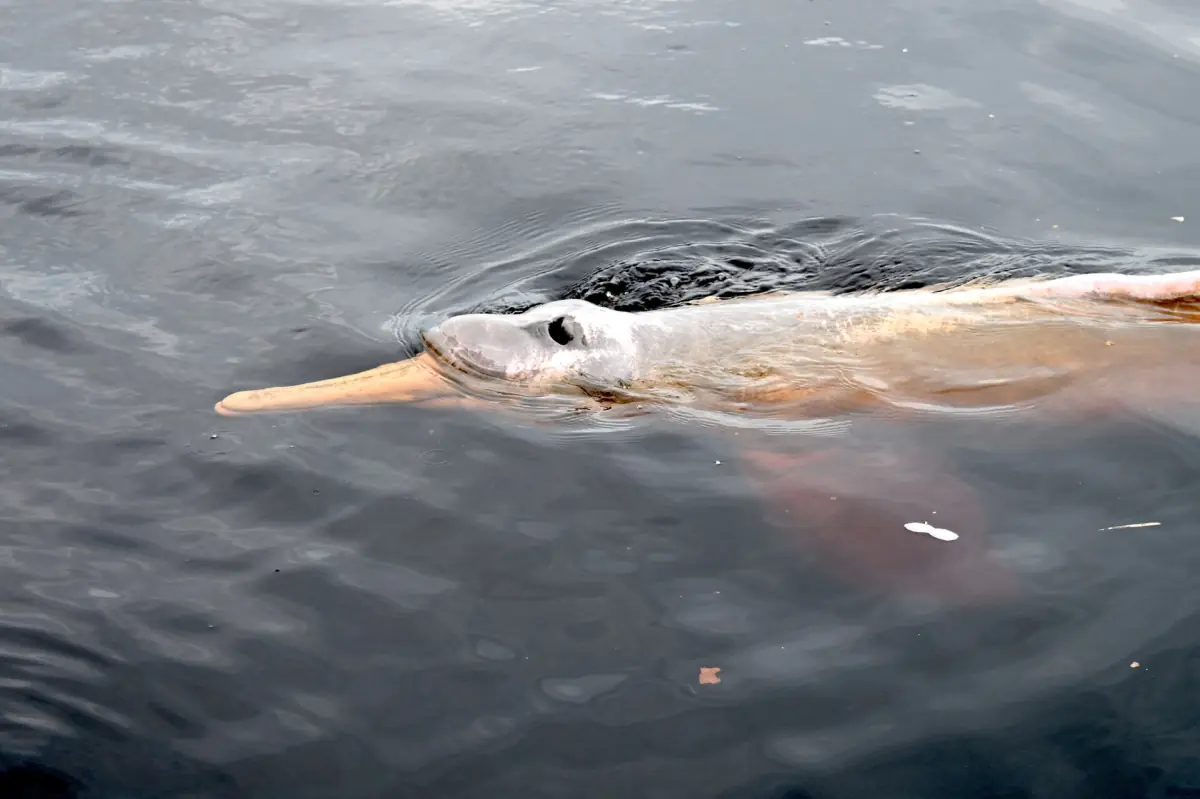
Threats to river dolphins
Why the status is endangered.
Bycatch and pollution
Bycatch in fishing gear and pollution are among the threats to freshwater dolphins. Tour photos of a few animals say little about the whole population.
Drought and heat
In the 2023 event at Lago Tefé, 209 dead botos and tucuxis were counted, and 70 animals on 28 September 2023 alone. The surface of the lake reached 39.5 °C that day and up to 41 °C during the event. This describes one lake, not the temperature of the whole Amazon.
Best time and low water →Species, not only color
Do not confuse the river tucuxi with the marine Sotalia guianensis. They are separate species, and the river dolphins are listed on their own.
Questions to ask before a dolphin trip
Simple checks that keep the focus on watching.
Do we watch from the boat?
A good program keeps people in the boat and lets the animals decide how close to come. If the offer centers on getting into the water with dolphins, choose another one.
Which area do we visit?
Anavilhanas near Manaus and the Puerto Nariño area near Leticia are places where they live. Ask which waters your trip uses.
What else is on the day plan?
Dolphins are one part of a river day. Programs also include forest walks, bird watching and night trips, so the day has value without a sighting. See the tours page.
If you pick a cruise, the dolphins come with the route. The cruises page shows the Rio Negro route with Anavilhanas, and the Meeting of the Waters is a short boat ride from Manaus.
River dolphins: frequently asked questions
What is the difference between the boto and the tucuxi?
They are two species. The boto, Inia geoffrensis, is the pink river dolphin. The tucuxi, Sotalia fluviatilis, is a separate river species and not the marine Sotalia guianensis. Both are endangered. See the animals page for other river animals.
Are river dolphins endangered?
Yes. Both the boto, Inia geoffrensis, and the tucuxi, Sotalia fluviatilis, are listed as endangered in the IUCN cetacean specialist overview.
Can I swim with river dolphins or feed them?
We do not recommend it. Watching is not the same as permission to feed or swim, and current local rules for specific sites should be confirmed before you book.
Where can I see them?
They live in the Anavilhanas area near Manaus and around Puerto Nariño near Leticia. No place promises a sighting, so plan a trip you would enjoy without one.
Is amazon-river.org a wildlife park or an official site?
No. This is an independent travel guide with no link to any park, research group, government body or tour operator.